


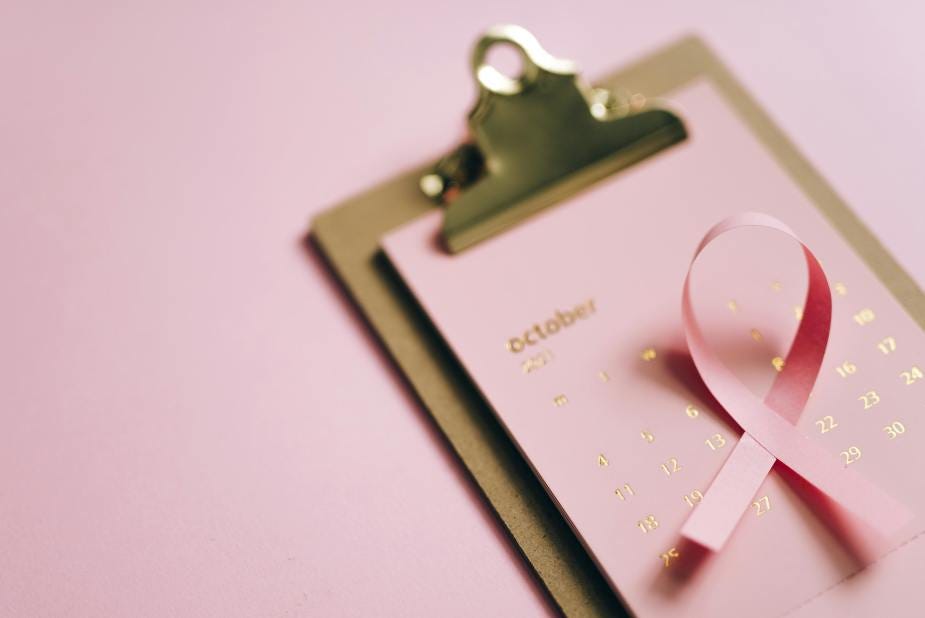
October is Breast Cancer Awareness Month – a global campaign drenched in pink ribbons and calls for early detection. But behind the slogans lies a pressing truth: South Asian women in the UK are less likely to attend breast screenings and more likely to face delays in diagnosis.
As we enter midlife, a time already shaped by hormonal shifts, menopause symptoms and identity transitions, many of us place our own health on the back burner. But the cost of silence is far too high.
The Statistics We Can’t Ignore
Breast cancer is the most common cancer in the UK, and 1 in 7 women will be diagnosed in their lifetime. Among South Asian women, there’s growing concern around:
Lower screening uptake
Later-stage diagnosis
Cultural stigma around discussing breast health
According to Public Health England, women from South Asian backgrounds are less likely to engage with screening services, often due to fear, modesty, or a belief that they’re not at risk.
But the truth is: risk increases with age, and hormonal changes during perimenopause and menopause can influence breast tissue. Regular checks and screenings are more important than ever.
The Role of Menopause
As oestrogen levels fluctuate and decline during menopause, breast density may change, and symptoms like tenderness or cysts can appear. While not necessarily dangerous, these changes must be monitored, not dismissed.
Moreover, some HRT treatments have been linked with a small increased risk of breast cancer, making it crucial to discuss personal and family history with a healthcare provider and weigh up all options.

Cultural Barriers We Must Break
In many South Asian households, discussions around breasts and female anatomy are steeped in shame. There’s often a reluctance to:
Examine our own bodies
Talk to GPs about changes
Prioritise preventive care
But this silence endangers our lives. We must reframe breast health as a form of self-respect, not self-indulgence. When we normalise breast awareness, we empower ourselves and future generations.

What You Can Do
Know your normal: Learn how your breasts look and feel across your cycle. Check monthly.
Attend your screenings: All women aged 50–70 are invited every three years. If you’ve missed one, call and reschedule.
Talk openly: Start conversations with your daughters, aunties, and friends. Your voice can break a cycle of fear.
See your GP if you notice:
Lumps or thickened tissue
Changes in size or shape
Dimpling or puckering
Discharge or nipple changes
Ask for cultural sensitivity: Many NHS trusts offer chaperones, female practitioners, or language support.
Midlife Is the Moment
Midlife is a gateway, not a graveyard. It’s a time to reclaim ownership of your body. Breast health is not a taboo; it’s a sacred responsibility.
At The Sattva Collective, we’re building safe spaces where breast cancer awareness becomes an act of collective healing. Let this October be the start of a lifelong conversation, one rooted in knowledge, dignity and love.

The post Beyond the Pink Ribbon: Breast Cancer Awareness for South Asian Women in Midlife appeared first on THE SATTVA COLLECTIVE.