


I remember a friend telling me about something that hit me; she was sitting across from an auntie during Ramadan last year. She whispered quietly over her cup of water, “I just can’t fast the way I used to. My body feels so different now.” The shame in her eyes was unmistakable, as if honouring her body’s changing needs meant dishonouring her faith.
This is the silent struggle of many South Asian women in midlife. As we move through perimenopause and menopause, our bodies demand more from us, more hydration, more rest, more nourishment. Yet many of our religious practices, from fasting during Ramadan or Navratri to observing Karva Chauth, often involve long hours without food or water.
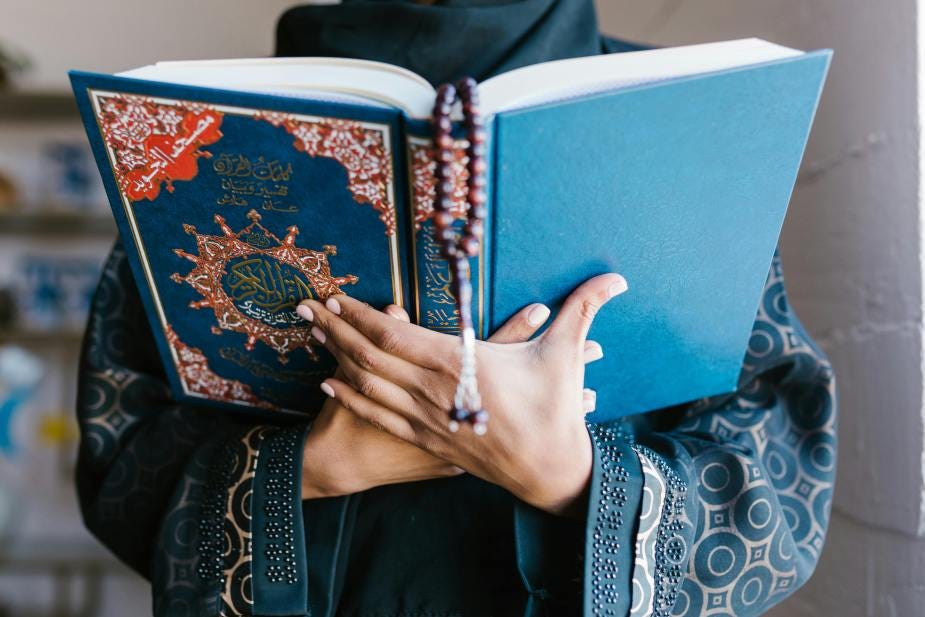
For a woman in midlife, these practices can trigger hot flushes, dizziness, headaches, insomnia, or heightened anxiety. And still, we push through, because that’s what we were taught: faith above all, silence before self.
But here’s what I want you to remember, love: honouring your body is also an act of devotion.
Religion, at its core, is about connection to God, to spirit, to self. If fasting is leaving you depleted and unwell, your faith doesn’t falter because you adapt. In fact, being honest about your limits can deepen your practice. You might choose smaller fasts, nourishing foods at suhoor or iftar, or simply creating moments of prayer and reflection without the physical strain.
Our mothers may not have had the language or freedom to say, “This is too much for me right now.” But we do. Midlife is not just about survival; it’s about learning how to walk in alignment with both body and spirit.

Journaling Prompt
What practices, spiritual or cultural, feel nourishing to me right now? Which ones leave me feeling drained? How can I adapt my faith practices to honour my health without losing connection to my roots?
Inspired Call to Action
This year, as you observe your traditions, notice how your body feels. Adapt where you need to. Talk about it openly with sisters, mothers, daughters, and friends. Let’s create a culture where devotion is measured not by sacrifice, but by alignment with both faith and wellbeing.
The post Faith, Fasting & Hormones: Navigating Religious Practices During Menopause appeared first on THE SATTVA COLLECTIVE.