


Arthritis is often seen as an inevitable part of ageing, something to quietly endure with turmeric lattes and “stiff upper lips.” But for South Asian women in midlife, the silence around joint pain, mobility issues, and chronic fatigue can be devastating.
As we observe National Arthritis Week, it’s time to centre the unique struggles and strengths of South Asian women who are living with arthritis during one of the most hormonally, emotionally, and socially complex times of life: perimenopause and menopause.
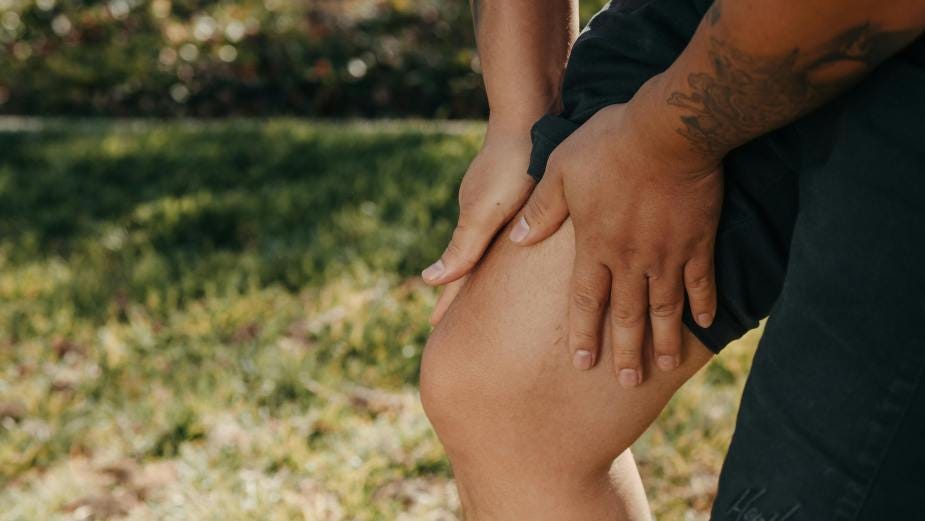
Understanding Arthritis in Midlife
There are more than 10 million people in the UK living with arthritis, and many of them are women over 40. The two most common types are:
Osteoarthritis (OA): caused by wear and tear of the joints
Rheumatoid arthritis (RA): an autoimmune condition that causes inflammation
Both types can flare or worsen during midlife due to declining oestrogen levels, which impact bone density, cartilage health, and inflammation. The symptoms are often mistaken for “just menopause“, aching joints, fatigue, stiffness, but left untreated, arthritis can reduce mobility, confidence, and quality of life.
Cultural Pressures & Misdiagnosis
In the South Asian community, chronic pain is frequently underreported and underdiagnosed. Why?
Many women don’t seek help, assuming pain is just part of growing older.
There’s a cultural tendency to minimise personal discomfort in the service of others.
Medical conversations often focus on diabetes or heart health, not musculoskeletal concerns.
Language barriers or modesty may prevent women from describing symptoms accurately.
As a result, arthritis in South Asian women is often diagnosed later, by which point irreversible joint damage may have occurred.
Menopause, Movement & Pain
Perimenopause and menopause can worsen arthritis symptoms:
Oestrogen supports bone and joint health; its loss can lead to more stiffness and inflammation.
Weight gain during menopause adds pressure to knees, hips and ankles.
Sleep disturbances due to hot flushes or anxiety can lower pain tolerance.
Many women stop moving due to pain, but movement is medicine.
Five Empowering Actions for Midlife Arthritis
Get Assessed, Not Ignored: If you’re experiencing persistent joint pain, don’t dismiss it. Ask your GP for a referral to a rheumatologist or physiotherapist.
Ask for Culturally Sensitive Support: Your pain is valid. Request a female practitioner, bring a translator, or ask a trusted family member to accompany you.
Stay Gently Active: Swimming, yoga, walking, and tai chi are gentle yet effective ways to maintain mobility without overexertion.
Consider Nutrition & Supplements: Omega-3s, calcium, vitamin D, and anti-inflammatory foods (like turmeric and ginger) may help, but check for interactions with medications.
Join a Community: Whether online or in person, finding other women going through the same thing can be profoundly healing. You are not alone.

At the Heart of It All: Compassion
Midlife is often when the expectations placed on South Asian women intensify: be strong, be giving, be quiet. But arthritis demands a new relationship with your body, one rooted in listening, gentleness, and asking for help.
At The Sattva Collective, we believe pain should never be suffered in silence. Arthritis is not a weakness. It’s a signal. It asks us to slow down, to honour our needs, and to move through midlife with radical compassion.
This National Arthritis Week, let’s raise awareness, not just about the condition, but about the women quietly carrying it every day.

The post The Silent Ache: Unmasking Arthritis in South Asian Women in Midlife appeared first on THE SATTVA COLLECTIVE.