


February is Heart Month in the UK, led by organisations like the British Heart Foundation and HEART UK to raise awareness of heart and circulatory disease and encourage action like learning CPR and understanding your cholesterol.
But for South Asian women, Heart Month isn’t just a campaign. It’s a very real wake-up call. In the UK, South Asians are almost twice as likely to develop coronary heart disease compared with White Europeans. And South Asians are also much more likely to develop type 2 diabetes (a major heart risk factor).
Now layer in midlife and menopause, where your cardiovascular risk tends to rise as oestrogen levels fall. What this really means is simple: If you’re a South Asian woman in midlife, your heart deserves front-row attention, not an afterthought.
Let’s break it down in a way that feels clear, culturally real, and doable.
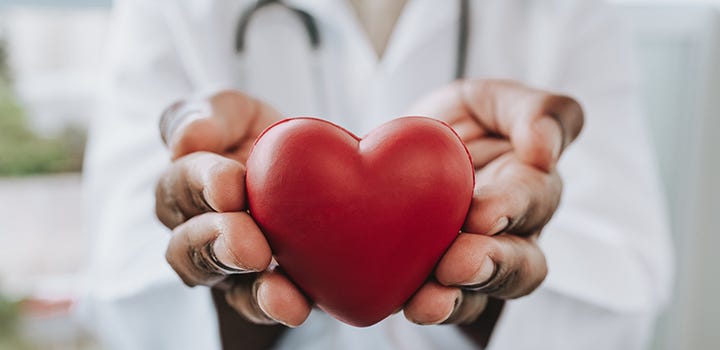
First: your heart doesn’t care how busy you are
South Asian women are often the backbone of everyone else’s life. We’re the appointment-bookers, the meal-makers, the family organisers, the ones who keep things moving even when we’re tired.
So heart health gets postponed until:
after the kids are settled
after the parents are okay
after work calms down
after Ramadan / after Eid / after the wedding season
after menopause passes
But heart disease doesn’t wait for your schedule to clear. Heart Month is your reminder to stop treating your body like it’s here to serve everyone else.
Why menopause changes the heart conversation
Menopause affects far more than periods and hot flushes. After menopause, cardiovascular risk tends to increase, and the loss of oestrogen can contribute to less favourable cholesterol changes and higher blood pressure risk over time.
The British Heart Foundation also highlights that early menopause (before 45) is linked with higher coronary heart disease risk, likely because the body has lower oestrogen for longer. So if you’re in your 40s and noticing changes, or you’ve already moved through menopause, this is exactly the window to get proactive.
What about HRT and the heart?
The NHS notes that HRT has little or no effect on the risk of coronary heart disease overall, and research is ongoing. If you have existing cardiovascular conditions, menopause/HRT decisions should be individual and shared with a clinician (this is where specialist guidance matters).
Bottom line: Heart Month isn’t about fear. It’s about knowing your risks and getting support that’s right for you.


Why South Asian women are at higher risk
There isn’t one single reason. It’s a mix.
Higher rates of type 2 diabetes among South Asians in the UK, and diabetes significantly increases heart risk.
Higher prevalence of risk factors like high blood pressure and cholesterol in many communities (and less awareness/testing in some cases). HEART UK notes that nearly 1 in 2 UK adults has high cholesterol, which is why Heart Month includes a big focus on knowing your numbers.
Emerging research suggests that once South Asian individuals develop risk factors, the impact on heart function may be heightened.
And then we add the lifestyle realities many women live with: long-term stress, caring responsibilities, lack of rest, limited time to exercise, and food environments that can make healthier choices harder.
This isn’t about blame. It’s about being honest about the landscape.

The heart health basics every midlife woman needs to know
You don’t need perfection. You need a few key “anchors”:
1) Know your numbers
If you only do one thing this month, do this:
Blood pressure
Cholesterol (including non-HDL if offered)
Blood sugar/HbA1c (especially if there’s a family history of diabetes)
These are the quiet drivers of heart disease, and you can’t improve what you don’t measure.
2) Move in a way your body can sustain
You don’t need extreme workouts. You need consistency.
Walking counts.
Strength training counts.
Dancing in your kitchen counts.
The goal is a heart that’s supported, not punished.

3) Sort the stress, not just the sugar
Chronic stress doesn’t just live in your mind. It shows up in inflammation, sleep disruption, emotional eating, blood pressure, and burnout.
In South Asian homes, stress is often normalised as:
“That’s life.”
“We all deal with it.”
But your heart feels it.

4) Sleep like it matters
Sleep is not a luxury. It’s recovery. And menopause can disrupt it for many women. If your sleep is consistently poor, don’t just accept it. Get support.

Heart attack symptoms: don’t talk yourself out of getting help
The NHS is clear: a heart attack is a medical emergency. Call 999 if you think someone is having one. Symptoms can vary. Chest pain or discomfort is common, but some people have other symptoms like shortness of breath, feeling sick, or pain spreading to the jaw, back, arms or tummy.
And this part matters for women: many women delay seeking help. NHS Inform highlights that women may delay treatment and stresses fast action. South Asian women are especially likely to minimise because we’re trained to endure and carry on.
If something feels seriously wrong, don’t self-diagnose it as gas, anxiety, or “just tired”. Get help.
The Heart Month action plan for South Asian women
Here are 5 simple moves you can take this February:
Book a health check (or request BP, cholesterol, and blood sugar checks from your GP/pharmacy).
Learn CPR in 15 minutes using the British Heart Foundation’s free tool, RevivR.
Add a daily walk (even 10–20 mins) after meals when you can.
Choose one heart-friendly upgrade in your diet that fits South Asian food (not a total overhaul).
e.g. more veg in your sabzi, smaller oil adjustments, more pulses, more fibre.
Have one honest conversation in your family or friend circle:
“Have you had your blood pressure checked lately?”
“Do you know your cholesterol?”
“Do you know CPR?”
This is how community change starts: normalising the conversation.
A culturally real note on food
You don’t need to abandon your culture to protect your heart. Heart health isn’t “salads and sadness”.
It can look like:
cooking with a lighter hand on ghee/oil more often
adding more dal, chana, rajma and vegetables regularly
choosing grilled/roasted options more often than deep-fried
treating mithai as a treat, not an everyday emotional support system
reducing ultra-processed snacks that sneak in between meals
Small shifts, consistently, beat big “detox” promises every time.

Gentle journaling prompts for Heart Month
If you want to take this deeper than a checklist:
Where am I ignoring my body because I’m busy caring for everyone else?
What would it look like to treat my heart health as a form of self-respect?
What scares me about getting my numbers checked?
If my mother/auntie/daughter read this, what would I want her to do this month?
What is one habit I can commit to for 28 days that would genuinely support my heart?
If you take nothing else from this
Heart Month isn’t about becoming a different woman in February. It’s about becoming a more supported woman. A woman who knows her risks. A woman who takes her symptoms seriously. A woman who stops making her health negotiable. Your midlife chapter deserves energy, breath, stamina, and years. And your heart is the foundation of all of it.
The post Heart Month: Why South Asian Women in Midlife Can’t Ignore Heart Health appeared first on THE SATTVA COLLECTIVE.